Variarata — Where Conservation Took Root

Just 30 miles outside Port Moresby, perched on the cool heights of the Astrolabe Range, lies Variarata National Park – once written as Wariarata.
Locals, however, have always known it by its traditional name. And that name, Variarata, tells a story not just of place, but of foresight.
The park was officially opened to the public in 1973, but its origins reach further back. Its foundations were laid not only in policy papers and government meetings, but in the minds of those who believed nature was more than scenery. They saw it as heritage, as a living classroom, and as something worth protecting long before conservation became a global conversation.
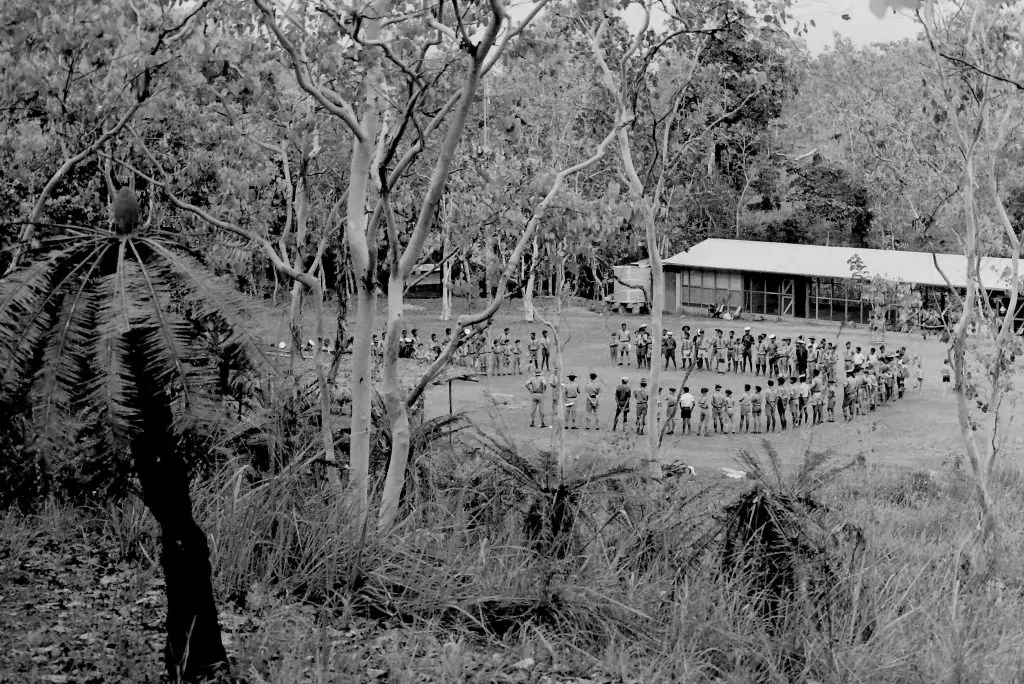
What stands out is the care with which Variarata was conceived. Overseas studies were undertaken to understand how national parks were managed elsewhere. Lessons were drawn from international examples, not to copy them, but to ensure Variarata could stand confidently among them. This was not land casually set aside. It was land shaped by intention.
Real investment followed – financial, intellectual, and emotional. The park was developed with key facilities that reflected long-term thinking:
- A staffed park station
- Visitor accommodation
- Recreational facilities
- Clearly marked walking tracks winding through forest and ridgeline
Even before these were built, one guiding principle was clear: land must be meaningful to people. That meant recognising traditional landownership, respecting cultural connections, and ensuring the park was not a fenced-off reserve, but a shared space built on mutual respect.
Leading this effort was Dirona Abe, who headed the National Parks Board at the time. His vision was unambiguous. Variarata was not designed solely for tourists or scientists. It was meant for everyone.
Under his leadership, the park was intended to:
- Meet the recreational needs of a growing urban population
- Provide visitors with access to Papua New Guinea’s landscapes, wildlife, and culture
- Protect traditional cultures and sacred land
- Create employment opportunities for local people
- Promote understanding of conservation and environmental stewardship
The vision extended beyond the present. As Papua New Guinea moved toward and beyond independence, parks like Variarata were seen as places where young Papua New Guineans could remain connected to their land – learning from it, caring for it, and benefiting from it in sustainable ways.
That vision found a human face in one young man.
His name was Sylvanus Gorio.
Born on 24 May 1940 in Dabora village, Milne Bay, Sylvanus would become Papua New Guinea’s first national park ranger. His upbringing was modest, but purposeful. His mother, among the first students at the local Anglican mission school, believed deeply in education and encouraged him to pursue it.
From Dogura Anglican Mission School, Sylvanus developed a growing interest in nature. That interest led him to the Forestry College, where he graduated among the first cohort to receive a Diploma in Forestry.
While working under the National Parks Board, he was selected for further training in Australia. There, he undertook a Park Management course that took him through national parks, museums, and historical sites. He trained at a Ranger School in Sydney, spent time in the Blue Mountains National Park, and studied park planning, environmental protection, and community engagement.
What shaped him most was not just the technical knowledge, but the emphasis on people: how to communicate the value of conservation, how to explain that forests and wildlife were not simply “bush”, but assets worth protecting.
Sylvanus returned home equipped with knowledge and conviction. He stood at the forefront of a new movement – not only guarding land, but helping others understand why it mattered. He became the human link between policy and practice, walking the ground with purpose.
Today, Variarata remains a place of birdsong, cool air, and forest trails. Tree kangaroos move quietly through the canopy. Butterflies drift through filtered light. Behind that calm lies a carefully built history – one shaped by vision, commitment, and people like Sylvanus Gorio, whose work helped establish Papua New Guinea’s first national park.
Growing up, Variarata was a familiar destination – a popular weekend escape from the city. Local newspapers advertised events there. It was a place to step away from Port Moresby’s heat and pace and enjoy nature at its greenest.
Variarata was never accidental. It was planned, protected, and planted with intent – a place where conservation in Papua New Guinea first took root.