Port Moresby Names – The Stories We Walk On

For many who move through Port Moresby today, place names are simply reference points – a street sign to glance at, a bus stop called out by the driver, a suburb listed on a delivery app. But if you pause long enough to look past the modern traffic and the concrete, you’ll find something older beneath the surface: meaning. Quiet, enduring meaning.
Some of these places are named after people. Others carry pieces of landscape, memory, or warning. They are reminders that long before Port Moresby grew into a city, the land had already been named carefully, deliberately – by the Motu people who lived with it, observed it, and understood it.
I’ve written before about the word Era or Ela, a name heavy with history. But there are many others whose stories still sit patiently on the map, waiting for someone to ask.
Konedobu – The Deep Beach
A good place to begin is Konedobu.
Its name comes from two Motuan words: kone, meaning “beach,” and dobu, meaning “deep.” Deep beach.
Anyone who knew the old waterfront before Harbour City existed would understand why.
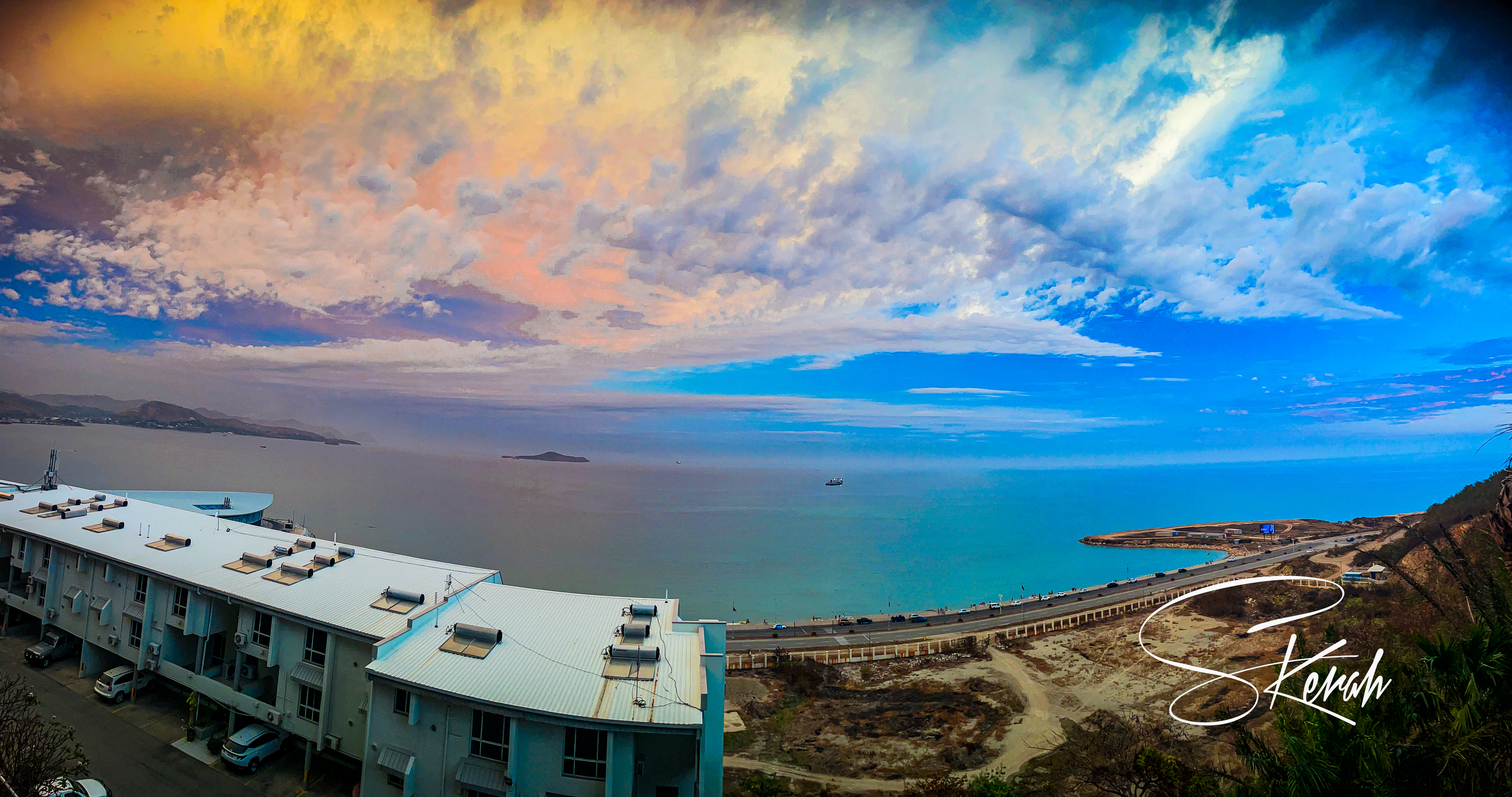
Unlike Ela Beach, which slopes gently into the sea, the shoreline at Konedobu dropped quickly.
During scout activities there, dinghies and fishing boats could slide right up to the bank. The name wasn’t poetic, it was precise. It told you what the water was like before you stepped into it.
Hanuabada & Poreporena – The Big Village on the Sandbanks
Heading west, we arrive at Hanuabada — “big village.” But Hanuabada is only a part of the larger traditional area known as Poreporena.
Pore means sandbank. Some say the name refers to the long stretch of sandbanks that once lay along the old shoreline. If you look closely today – at the tide, at the slopes, at the way the sea once reached inward, you can still imagine it.
Porebada
A little further still is Porebada – pore (sandbank) + bada (big). A large sandbank. A raised strip of land pushing toward the sea, used for landing canoes, gathering, or fishing.
Idubada
Then comes Idubada, from Iduka, meaning “cape” or “headland.”
Land that juts out. A natural anchor. Likely the point between old Hanuabada and Tatana – a geographical boundary that long predated modern maps.
Taikone — The Little Beach
Across town is Taikone. Tai – short for taina, meaning “small,” and kone – beach.
A little beach.
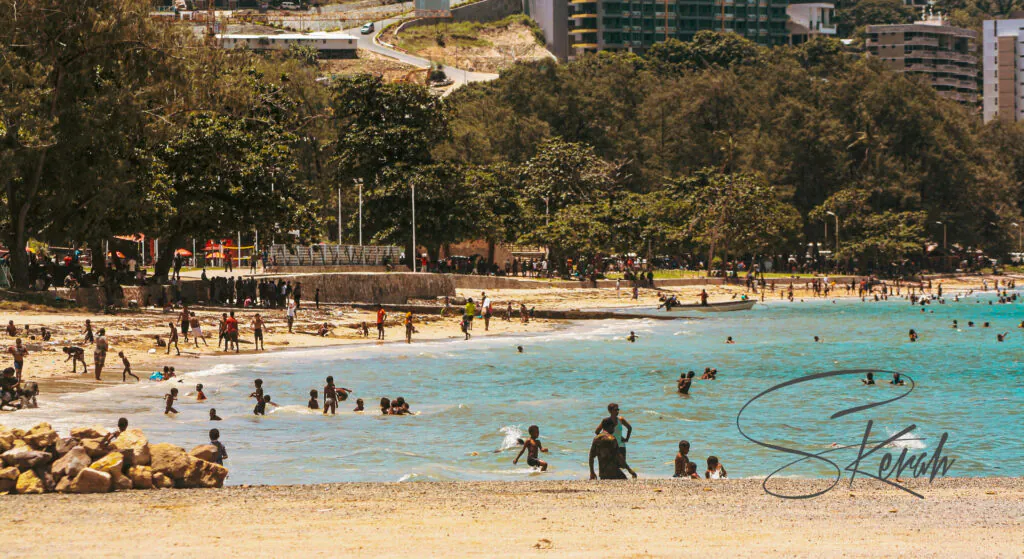
Not as dramatic as Ela, not as busy as Konebada, just a quiet stretch of shoreline tucked neatly into the coast.
Touaguba – Where the Drum Strikes the Sky
Some names, though, rise above the ordinary.
The iconic hill Touaguba carries two words: toua meaning “to strike” usually referring to the beating of a kundu drum and guba, meaning “sky.”
Strike the sky.
My grandfather once told me that the hills were lookout points. When danger approached, villagers would climb up and beat the drum – warning those below.
Suddenly the name makes sense. It isn’t just poetic; it’s functional history preserved inside a word.
Paga Hill — Of Shoulders and a Turtle Snout
Beside Touaguba is Paga Hill.
In Motu, paga refers to shoulders.
There’s a story not quite traditional, that during early surveying, a European gestured toward Daugo Island. A native translator, misunderstanding the gesture, thought the man was referring to his shoulders. The name stuck.
But the hill, traditionally, was called Era Kurukuruna – “turtle snout.”
Stand at the right angle and the shape explains itself: a turtle pushing through the surf, its nose breaking the surface.
Boroko & Koki – Nature in the Names
Some names are simpler.
Boroko comes from a swamp tree that once grew thick across the area – a borrowed name, but still rooted in the land.
Koki takes its name from the Koge plant, used traditionally for smoking. Even bustling Koki Market sits on land that once supplied herbs for everyday life.
Why Names Matter (Told Quietly)
So why take the time to remember all this?
Because these names carry memory.
They tell us how people once saw the land – not as empty space, but as relationship. They recorded the depth of the water, the curve of the shoreline, the warning of drums, the shape of a hill, the plants that grew thick on the ground.
When you know the meaning of a place, you see it differently.
You walk differently.
You feel connected not just to the landscape, but to those who came before you.
We aren’t the first to call these places home.
And we won’t be the last. But understanding the names ensures that the stories do not fade faster than the land changes.