Pole to Pole: New Ireland

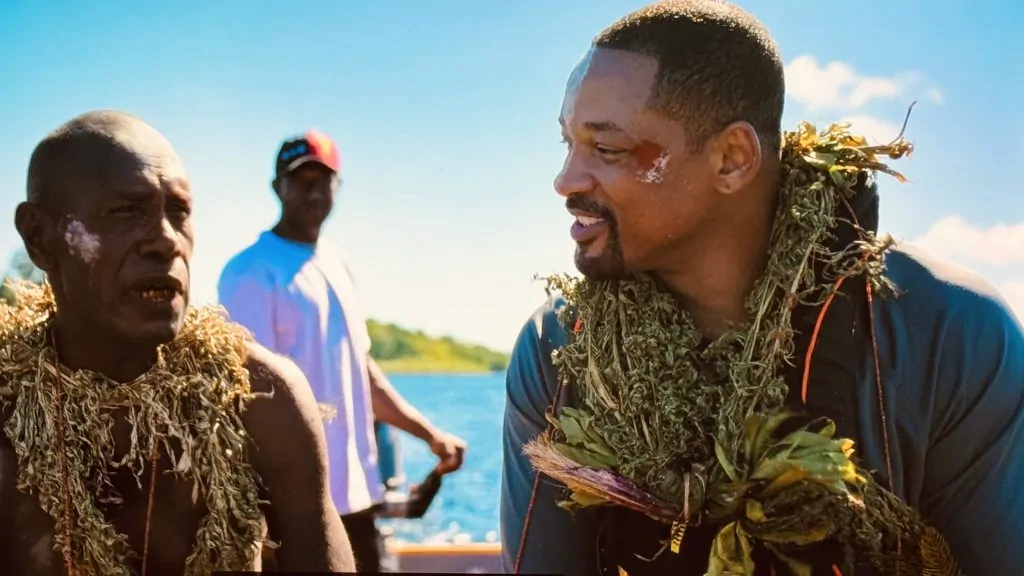
Pole to Pole is a documentary series on National Geographic that follows the journeys and explorations of Will Smith. The series is now streaming and well worth watching. Episode 5 takes Will to Papua New Guinea – to the breathtaking province of New Ireland.
I had been waiting for this episode ever since I first heard about the filming last year. So when it finally aired, I gathered my family around the living room. I wanted them to see a side of our country that we often talk about visiting, but rarely do. I’ve never been to New Ireland myself, but family friends who visited last Christmas shared photos and stories that hinted at just how special that part of the country is.
The imagery did not disappoint.
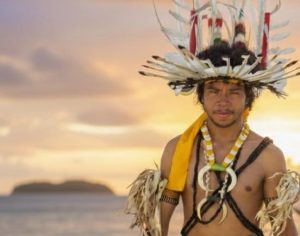
We sat there in quiet awe as scene after scene revealed the striking beauty of New Ireland – the land, the ocean, and more than anything, the people. Their traditions. Their way of life. It took me back to a time when I visited the University of Papua New Guinea during a New Ireland Day celebration. The colour, the smiles, the face paint – it all came rushing back. And the singing. The expressions on their faces as they sing, pouring their whole hearts into their voices, still give me goosebumps.
Yet woven through all that beauty was a sobering reality.
Like many coastal communities, New Ireland faces a growing and undeniable threat: rising sea levels. Much of the episode focused on Tench Island, traditionally known as Enusi. I won’t go into detail, this is something you really need to watch for yourself, but the story of Enusi stayed with me long after the credits rolled.
As someone who writes about people, culture, and traditions, often simply out of personal passion, the episode touched me deeply. It stirred both admiration and discomfort.
I found myself appreciating, more than ever, the importance of coral restoration programs and beach clean-ups. At the same time, I felt a sense of guilt. A realisation that many of us, myself included, have been careless or even ignorant toward the environments that sustain us.
What struck me most was the deep respect the people of New Ireland have for the ocean and the coral reefs. John Aini, who features in the film, is not just an asset to his community – he is an asset to the future of this country.
John’s belief that culture and tradition play a critical role in how we treat our environment and food sources is profoundly admirable. The old saying “never bite the hand that feeds you” suddenly felt far more literal. He spoke about, and actively participated in, a traditional practice known as Vala – a form of restriction that allows reefs and marine life to recover. It was conservation rooted in a belief system passed down through generations.
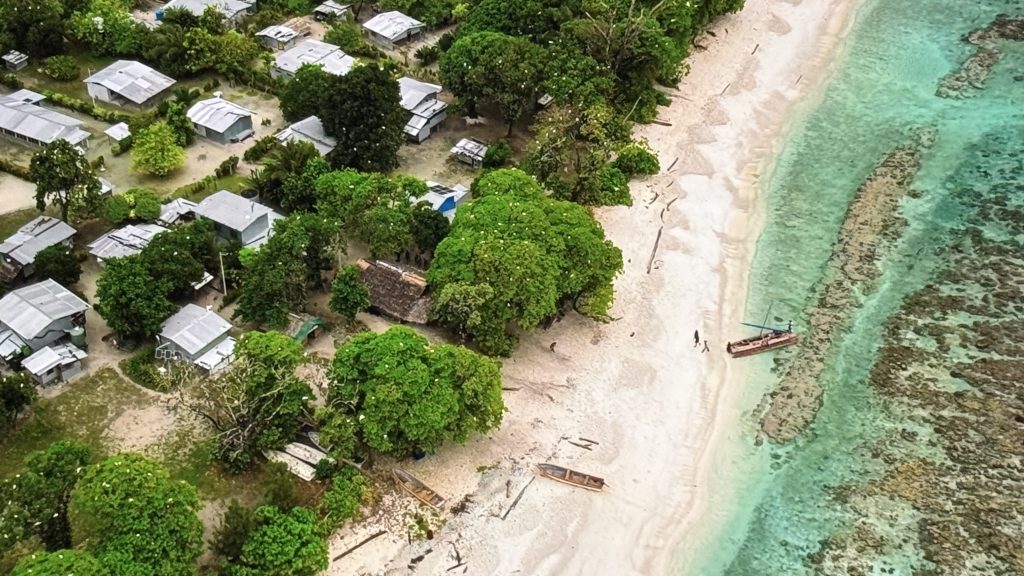
I agreed wholeheartedly with his sentiments. Sometimes it is our traditions, thoughtfully adapted to the world we now live in, that can guide us forward. History and culture are not just remnants of the past; they can, in many ways, protect us as we move into the future.
But Enusi’s situation felt different. More extreme.
This was no longer a slow, distant threat. The island is on the brink. Another king tide could make it uninhabitable. Relocation, as John acknowledged, is inevitable. And yet, the resolve of the people, their reluctance to leave, was both powerful and heartbreaking.
Home is where the heart is.
That phrase felt painfully true here. But the risks, and the consequences of staying, are immense.
Mary Walworth, a linguistic expert featured in the episode, offered a perspective that caught my attention. She reminded us that even if a people are forced to relocate, they do not have to lose who they are. Identity does not live only in land. It lives in stories, songs, language, and memory.
That thought resonated deeply with me. It echoed the very reason I keep writing. Because if we don’t talk about these things, if we don’t record them, share them, and teach them – they disappear.
For the people of Enusi, this is not abstract. It is survival: physical, mental, cultural, and spiritual. Survival as a people.
I feel for them. For people like Robert Jonnah, who are fighting not just to preserve a place, but a way of life. When we say home is where the heart is, it becomes painfully difficult to ask someone to leave. And yet, perhaps the hope lies here: even if the land is lost, the heart does not have to be – though that is far easier said than done.
Do watch this episode. It is deeply educational. And I hope it makes you think about Enusi, about your own people, your culture, and the surroundings in which you live.
We owe it to future generations to let our rich traditions and cultural values guide how we protect and improve the world around us.