Pottery with Purpose

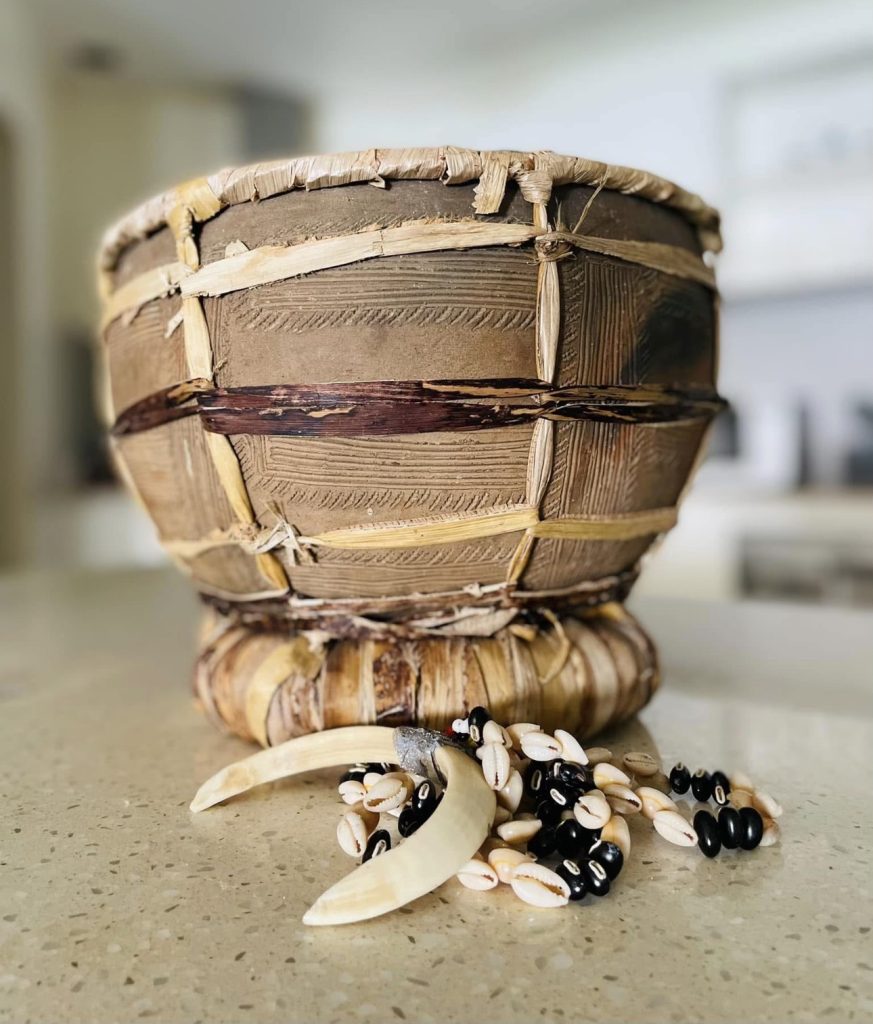
I’ve always been quite fascinated by Motuan pottery. Yet when I look around today, it feels like we’re not doing enough to preserve these pieces, especially the stories that give them life. Every September during the Independence celebrations, I make it a point to buy a Motuan pot or two at the craft market. But over the years, the numbers have gone down noticeably. The one in the pic was purchased from an old lady from Rea Rea.
The traditional Motuan name for Pots is Uro. But that is just one of the names.
I remember the days when these old ladies from Porebada, Boera and Rea Rea, yes our Royalty villages, would sell their wares at the Ela Beach craft market. Each pot was unique, shaped by experience and generations of knowledge. But what captured me even more was the meaning behind each piece. There was always a story. If you asked what a particular pot was for, they didn’t just explain its use, they told you its purpose and where it sat in Motuan life.
Recently, I came across some information about Motuan pots, their names, and what they were traditionally used for. Reading it reminded me that our culture is far more sacred than we sometimes realise. Everything has its purpose.
Here’s what I found:
Tohe – Large pot used for storing sago
Rarahu – Used for cooking fish (this may be related to the rahurahu cooking setup)
Rarahu Nauna – The bowl used to serve the cooked fish
Uro – Ordinary cooking pot
Ariara Nauna – Serving bowl
Nauna – Small bowl
Keikei – A bowl where a mother leaves food for the children when she goes out
Hodu – Water pot
Naunau – Used for bathing small babies; in Poreporena it’s called Nau while in Elevala it’s known as Kibo
And speaking of babies, here’s a beautiful bit of Motuan history: the earliest recorded triplets in the Motuan villages came from Porebada. A woman named K Vagi (Husband S Bitu?) gave birth to triplets in 1952. Sadly, one passed away while arrangements were being made to take them to the Port Moresby clinic for special treatment. (Source: Papuan Villager).
These pots would make lovely home decos too and knowing the stories behind them would make it even more interesting.