The Flag on the Wall

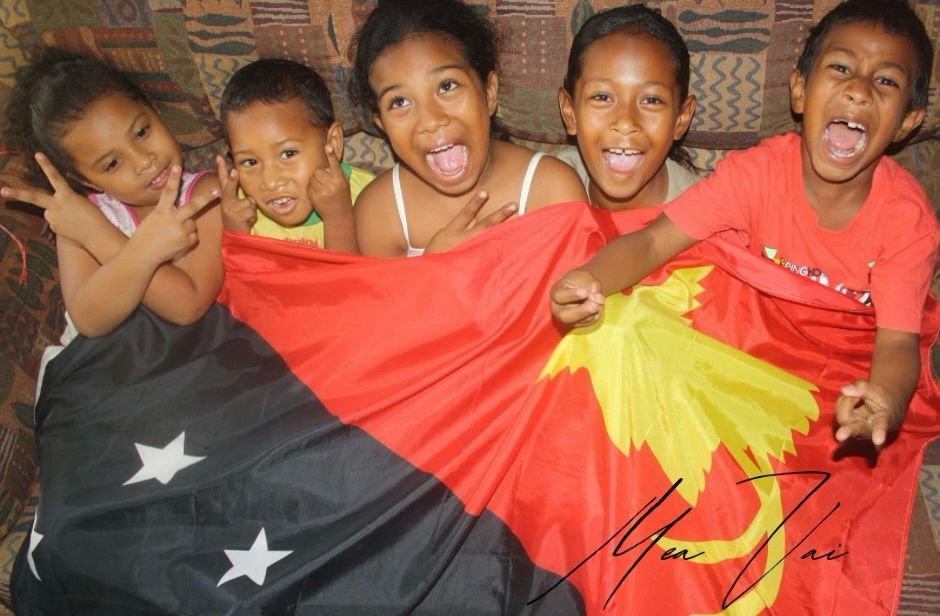
Every September, like clockwork, my father would bring home a brand-new Papua New Guinea flag. Without fail, he’d pin it on the wall at the entrance of our home. It was just a quiet act of pride that became a tradition.
We kids didn’t think much of it. We’d grab the flag, run around with it, and eventually lose or tear it. He never scolded us. He’d just go out and get another one. Back then, I didn’t realise how much the flag meant to him. He didn’t speak much about patriotism, but in time, I understood his pride ran deep.
It was in the stories he told me that his love for our country truly came through. He’d talk about the old days, about a time when people were united, hopeful, and working towards something bigger than themselves. Those stories stuck with me. Maybe that’s why I’m so drawn to history and storytelling. It’s not just about preserving memory, it’s about passing on lessons.
Through my own research over the years, I’ve realised how unified Papua New Guinea once was in the lead-up to Independence. Sure, there were doubts and disagreements, but there was also a powerful optimism. Even the popular 70’s string band Gunai Mirros wrote a song called Unity. And the Papua v New Guinea “origin” matches halted. This was a belief that we were becoming a unified nation with purpose.
Today, things feel a little different.
We’re spending millions trying to create unity, hosting fragmented celebrations: regional celebrations. It feels like we’ve lost the thread that once bound us together.
And here’s what I truly feel: unity can’t be bought. It must be taught. Even better, creatively!
What we need isn’t more fanfare, it’s more education. If our children don’t learn the meaning of the flag, if they don’t hear the stories of where we’ve come from, how will they ever know what it means to belong to this country?
We need to bring our history into the classroom, on billboards, in books, on tv. Stories of communities, of leaders, of ordinary people who shaped this nation. Let them hear their grandparents’ voices in history lessons.
Because when people understand where they come from, they are more likely to value where they are going.
It’s the small, repeated acts like raising the flag in the household, and in the stories told without fanfare that matter. That’s how you teach a nation to love itself quietly, consistently, and through knowledge passed from one generation to the next.
And maybe that’s how we find our way back. 🇵🇬 hashtag#PNG50